






Injection Moulding Machine Technology, Designed and Built In-House
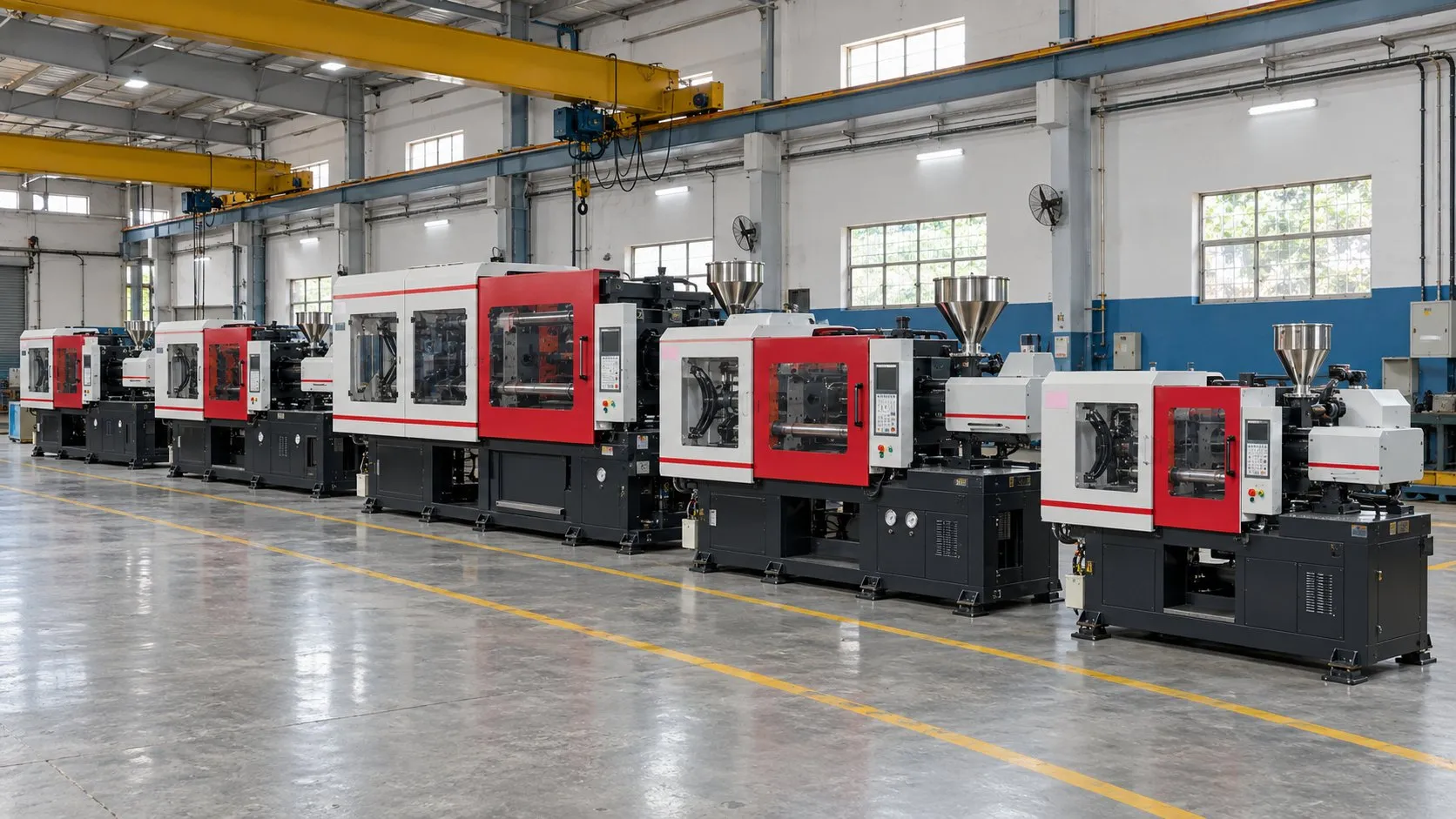
Pratishna Engineers designs and manufactures injection moulding machines from 40 to 350 tonnes in Mumbai. Our range covers six clamping and drive technologies, so each machine can be matched to the component, material, mould and output it has to run.
Since 1991, we have grown from machine rebuilding and indigenisation into complete machine design. With 9,000+ machines supplied to 1,000+ customers, our engineers design, machine, assemble, test and service every machine in-house.
Have a Component or Mould to Run?
Share your part drawing, material and production target, and our engineers will recommend the right technology and machine.
Our Injection Moulding Technologies at a Glance
Each technology solves a different moulding problem. The clamp decides how the mould is held shut and opened; the drive decides how accurately and efficiently the screw injects the melt.
- Five-point twin toggle clamping with servo-driven pump options (E, C and H Series)
- Two-platen hydro-mechanical clamping (PHM Series)
- Hybrid: hydraulic clamping with servo-electric injection (PH Series)
- Vertical injection for insert moulding (PV and PVDL Series)
- PET preform injection moulding (PT Series)
- Special purpose injection moulding machines (SP Series)
Clamping and Injection Technologies Explained
Five-Point Twin Toggle Clamping
Used on our E, C and H Series horizontal injection moulding machines. The twin toggle linkage multiplies cylinder force and locks mechanically once the links straighten, so high hydraulic pressure is not held through the whole cycle. Steel platens carry the clamping load.
- Clamping force: 75 to 320 tons
- Fast clamp movement for high-volume production
- Suits packaging, automotive, electrical and household parts
Two-Platen Hydro-Mechanical Clamping
The PHM Series locks the platens hydro-mechanically instead of through a toggle. Clamping force is balanced across the platen, and the long opening stroke needs less floor space, which suits large moulds and deep parts.
- Clamping force: 160 to 350 tons
- Balanced clamping force helps avoid corner flash
- Moving platen on linear motion guides avoids guide pin wear
- Much less oil to handle than ram or direct-locking clamps
- Clamping force and opening stroke can be increased on request
Hybrid: Hydraulic Clamping with Servo-Electric Injection
Our PH Series hybrid machines combine hydraulic locking with an electric injection unit. A servo motor drives the screw through a ball screw, giving a very high level of shot-to-shot repeatability, smooth high-speed injection and low power consumption.
- Models: PH-120 and PH-140
- Injection pressure up to 220 MPa (PH-140 with 35 mm screw)
- Moving platen on linear motion guides
- Suits multi-cavity moulds and precision parts
Vertical Injection for Insert Moulding
With vertical injection, gravity holds metal inserts such as pins, bushes, terminals and wires in place while the mould closes. Sliding-mould versions let the operator load inserts in one mould half while the other is moulding.
- PV Series: horizontal clamp, vertical injection, 40 and 55 tons
- PVDL Series: vertical clamp, vertical injection, 40 to 80 tons
- Suits electrical accessories, wire over-moulding and moulded-in threaded inserts
PET Preform Injection Moulding
PET absorbs moisture and degrades if melt stays in the barrel too long, which raises acetaldehyde. Our PET machines are configured with the screw, barrel and clamp sized to the preform weight and cavity count.
- Clamping force: 75 to 260 tons
- Suits preforms and other PET products
Special Purpose Injection Moulding Machines
When no standard machine fits the part, we build one around the component, mould and production target, with changes to the clamp layout, injection unit, platen design or automation.
- Clamping force: 75 to 120 tons
Which Injection Moulding Technology Fits Your Part?
Use this comparison as a starting point. The final choice depends on your part, mould and output, which our engineers check before recommending a machine.
| Technology | Series | Clamping force | Typical fit |
|---|---|---|---|
| Five-point twin toggle | E, C, H | 75 to 320 T | High-volume general moulding |
| Two-platen hydro-mechanical | PHM | 160 to 350 T | Large moulds, deep parts, long opening |
| Hybrid (hydraulic clamp, electric injection) | PH | 120 to 140 T | Precision and multi-cavity parts |
| Vertical injection | PV, PVDL | 40 to 80 T | Insert moulding and over-moulding |
| PET preform | PT | 75 to 260 T | Preforms and PET products |
| Special purpose | SP | 75 to 120 T | Machine built around one component |
Servo-Driven Hydraulics for Lower Energy Use
In a hydraulic injection moulding machine, the pump motor is the largest energy user. A fixed-speed pump keeps running at full speed even when no movement needs oil. A servo-driven pump changes speed with demand, so energy use drops during cooling, holding and idle time.
Our horizontal and two-platen machines are available with servo-driven pumps, and our hybrid machines use servo-electric injection. When comparing running costs, ask our team for the connected load of each model.
Machine Controls and Process Monitoring
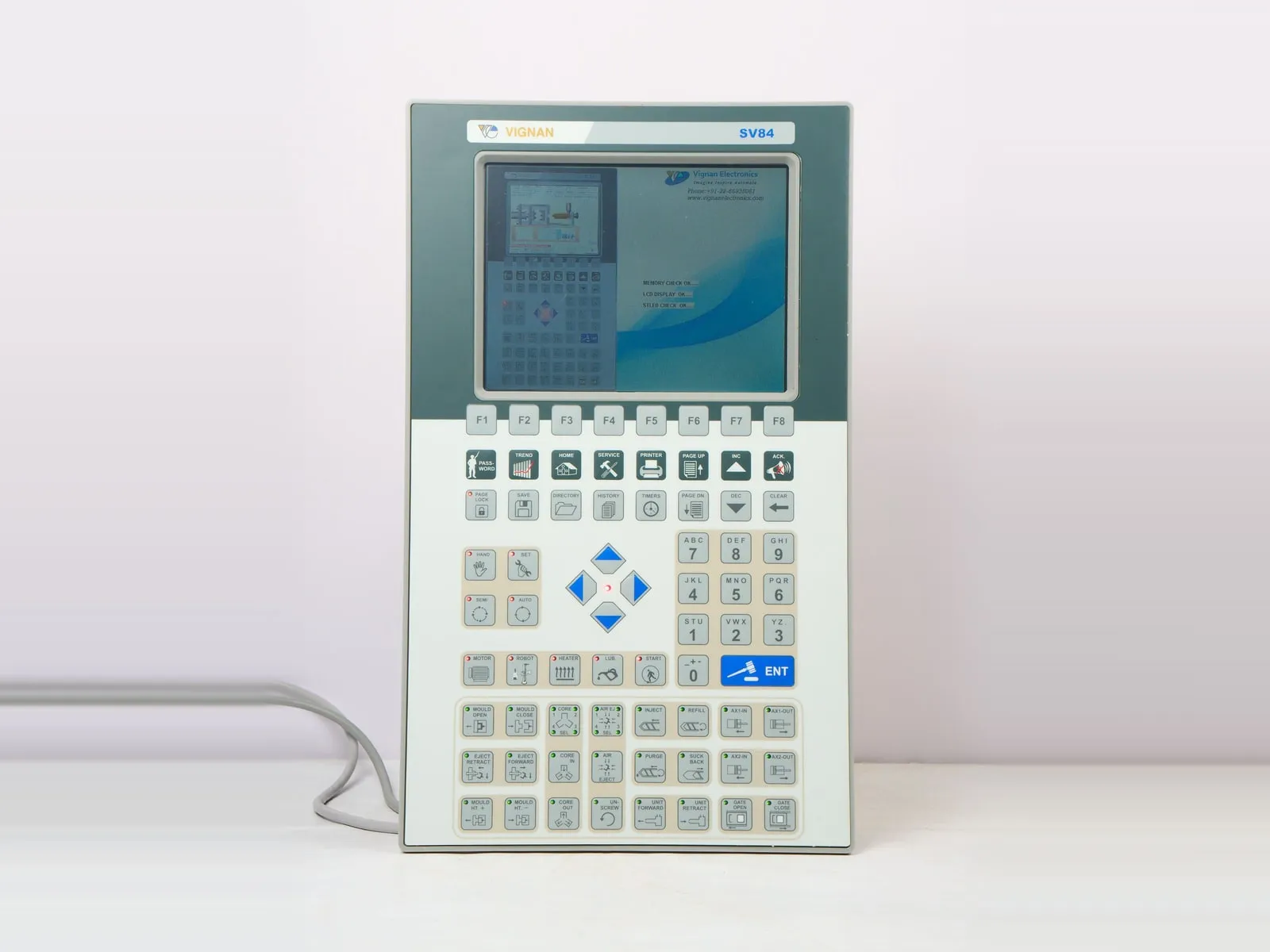
Consistent parts depend on the controller as much as on the clamp. On the PHM Series, the machine controller includes:
- 150 mould programs
- 1 millisecond machine scan time (1,000 times per second)
- 2 GB history database, retained for the life of the machine
- USB, Ethernet and RS232 communication ports
- Optional GSM module and voice alerts
How We Match Technology to Your Application
We select every machine in a fixed order, so the technology follows from the part rather than the other way round.
- 1Component: size, weight, wall thickness and inserts
- 2Material: resin type and its processing needs
- 3Mould: dimensions, cavities, projected area and opening stroke
- 4Production requirement: output, cycle time and automation
- 5Machine configuration: clamp type, tonnage, screw and drive
Not Sure Which Technology You Need?
Share your component and mould details for a suitable recommendation.
Engineering and Manufacturing Behind Every Machine
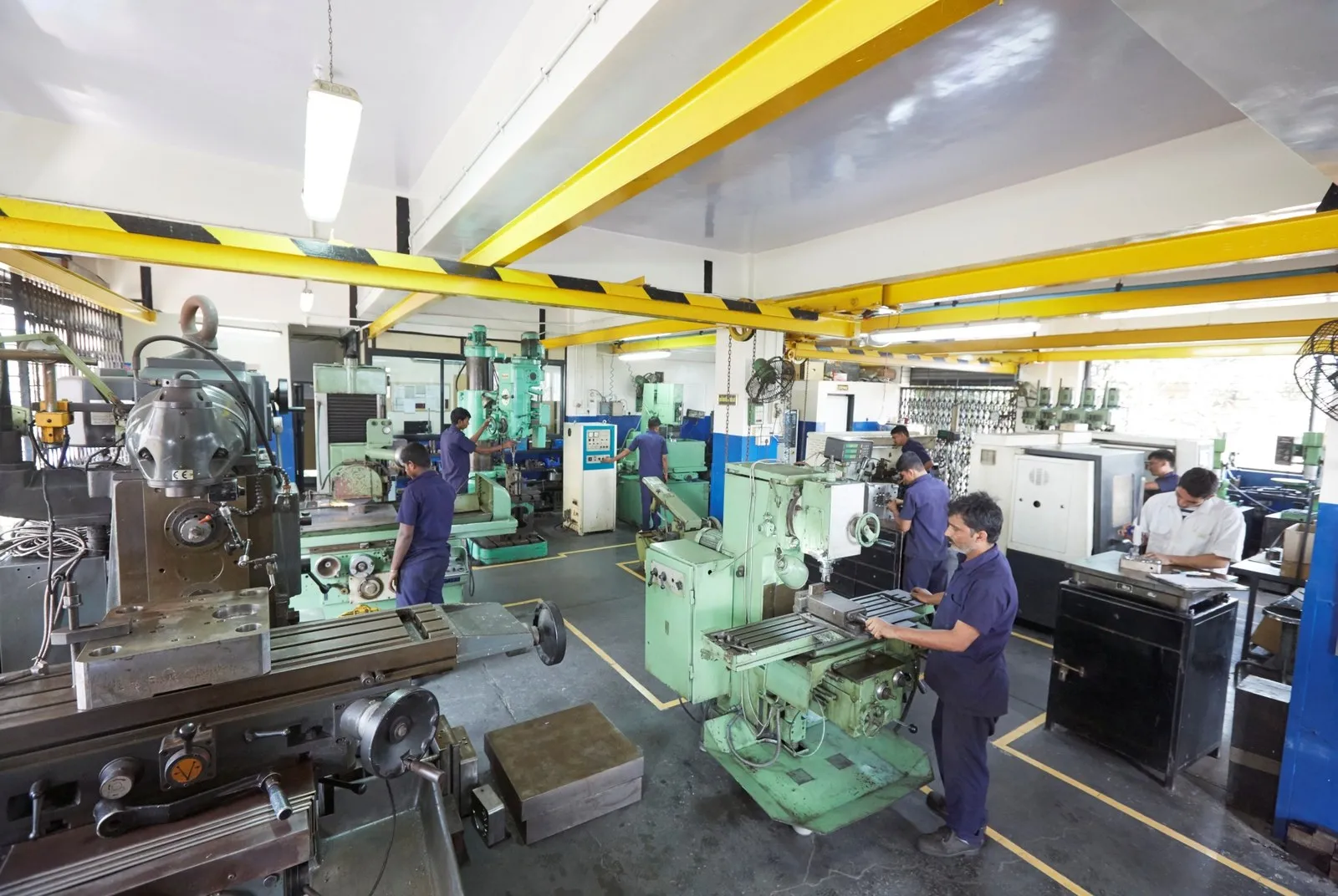
Every technology on this page is designed and built at our 25,000 sq ft facility in Andheri (E), Mumbai. Our design team works in SolidWorks, Creo and AutoCAD alongside manufacturing engineers, and an independent Quality Assurance department checks each machine to written SOPs.
- CNC turning centres
- Vertical and horizontal machining centres (VMC and HMC)
- Jig boring machines and precision conventional machine tools
- In-house assembly and testing facilities
- Installation, operator training and after-sales service
Technologies Beyond Injection Moulding
The same hydraulic, machine design and automation skills support Pratishna Group's engineering work outside plastics processing.
- Rubber moulding machines (expanding range)
- Aluminium pressure die-casting machines
- High-pressure hydraulic systems, including 30,000 PSI power packs
- Green hydrogen: alkaline and AEM electrolyser stacks
- Special purpose machines and industrial automation
- Tyre manufacturing machinery
Talk to Our Engineers
Planning a New Injection Moulding Project?
Share your component, mould and production target, and Pratishna Engineers will recommend the right machine technology and quotation.
- Machine Sales
- +91 99690 38542
- Service Support
- +91 97689 28259
- Sales Email
- enquiry@pratishnaengineers.com