






Injection Moulding Machines for Defence & Drone Components
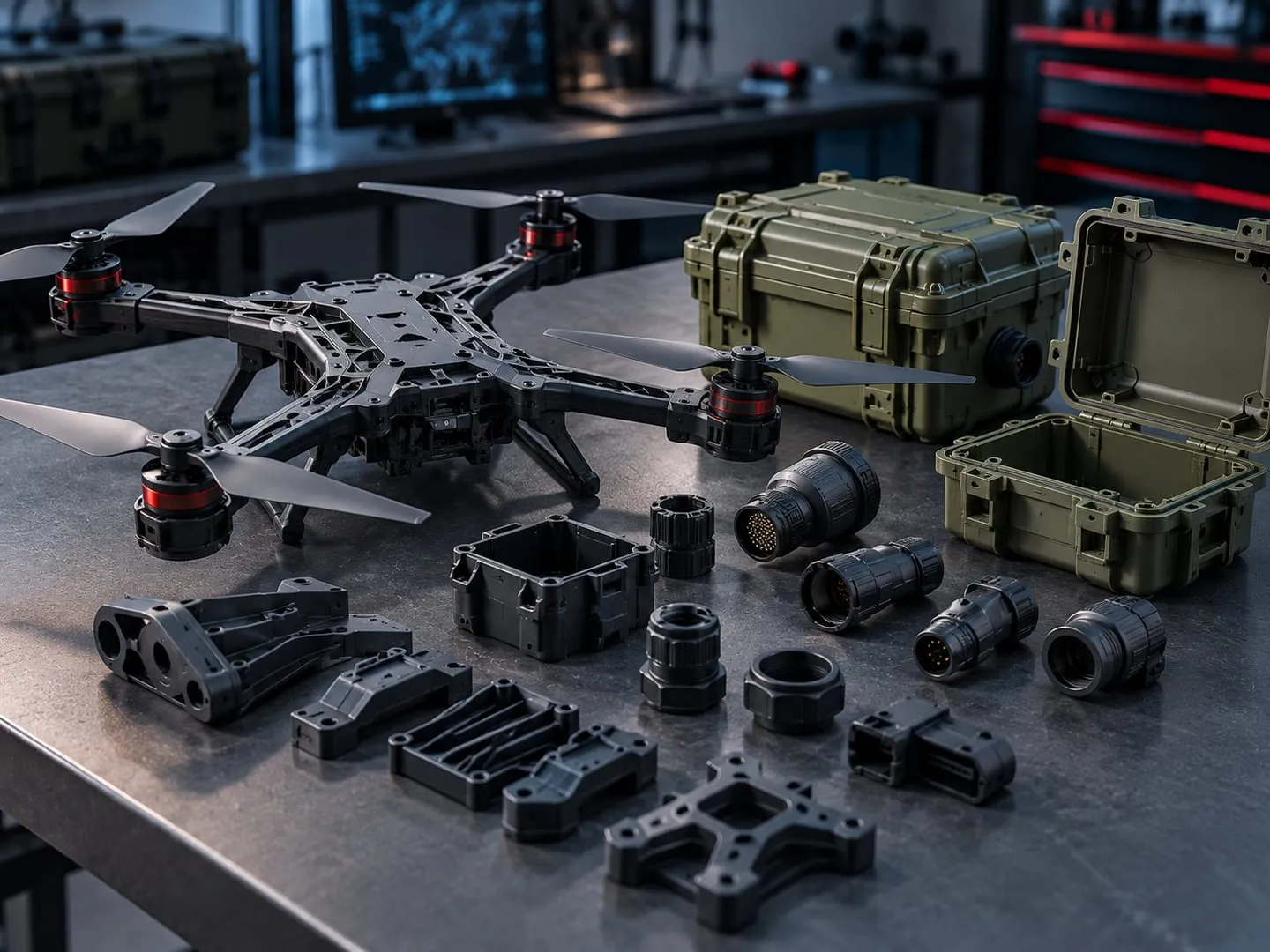
Injection moulding machines from Pratishna Engineers are widely used in manufacturing plastic components for defence equipment and unmanned aerial systems. Typical parts include drone frames, arms, propellers, gimbal housings, rugged field enclosures, connector backshells and battery pack housings, where part weight, dimensional accuracy and material strength are checked on every batch.
Pratishna Engineers is one of the top and trusted injection moulding machine manufacturers for defence and drone components in India. Operating from Mumbai for 35+ years, the company has supplied 9,000+ machines to 1,000+ customers, and the Pratishna Group also designs and builds equipment for Indian defence programmes, backed by in-house engineering and after-sales support.
The right machine depends on the component, plastic material, part weight, mould size, number of cavities and production volume. Defence and drone parts are mostly moulded in glass or carbon-filled PA6, PA66, PC and PBT, which are abrasive, so the screw and barrel should be wear-resistant. Defence supply also expects material traceability and a frozen, documented process, so repeatable machine settings are a basic requirement.
Manufacturing a Defence Component?
Tell us your product and production target, and Pratishna Engineers will recommend the right injection moulding machine and quotation.
Defence & Drone Plastic Components
A range of drone, field equipment and connector components can be manufactured on Pratishna injection moulding machines:
Drone Component (frame, arms, motor mounts, landing gear, body shells)
Drone Propeller and Propeller Guard
Drone Battery Cowling and Payload Bay Cover
Drone Gimbal / Camera Housing with Overmoulded Dampers
Rugged Field Equipment Enclosure (radio, sensor and control boxes)
Connector Backshell, Insert and Cable Gland
Portable / Field Battery Pack Housing
Recommended Machines for Defence Components
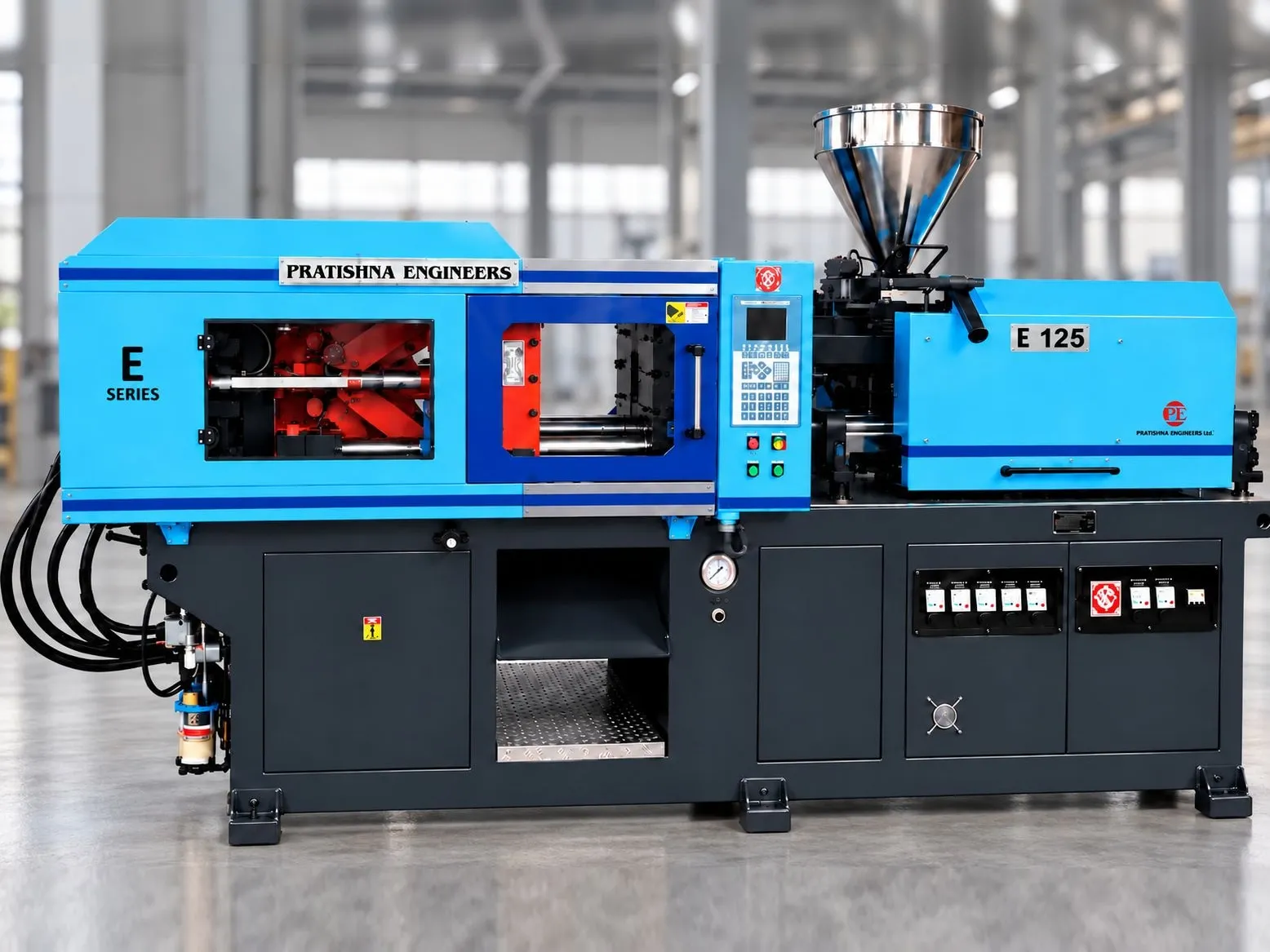
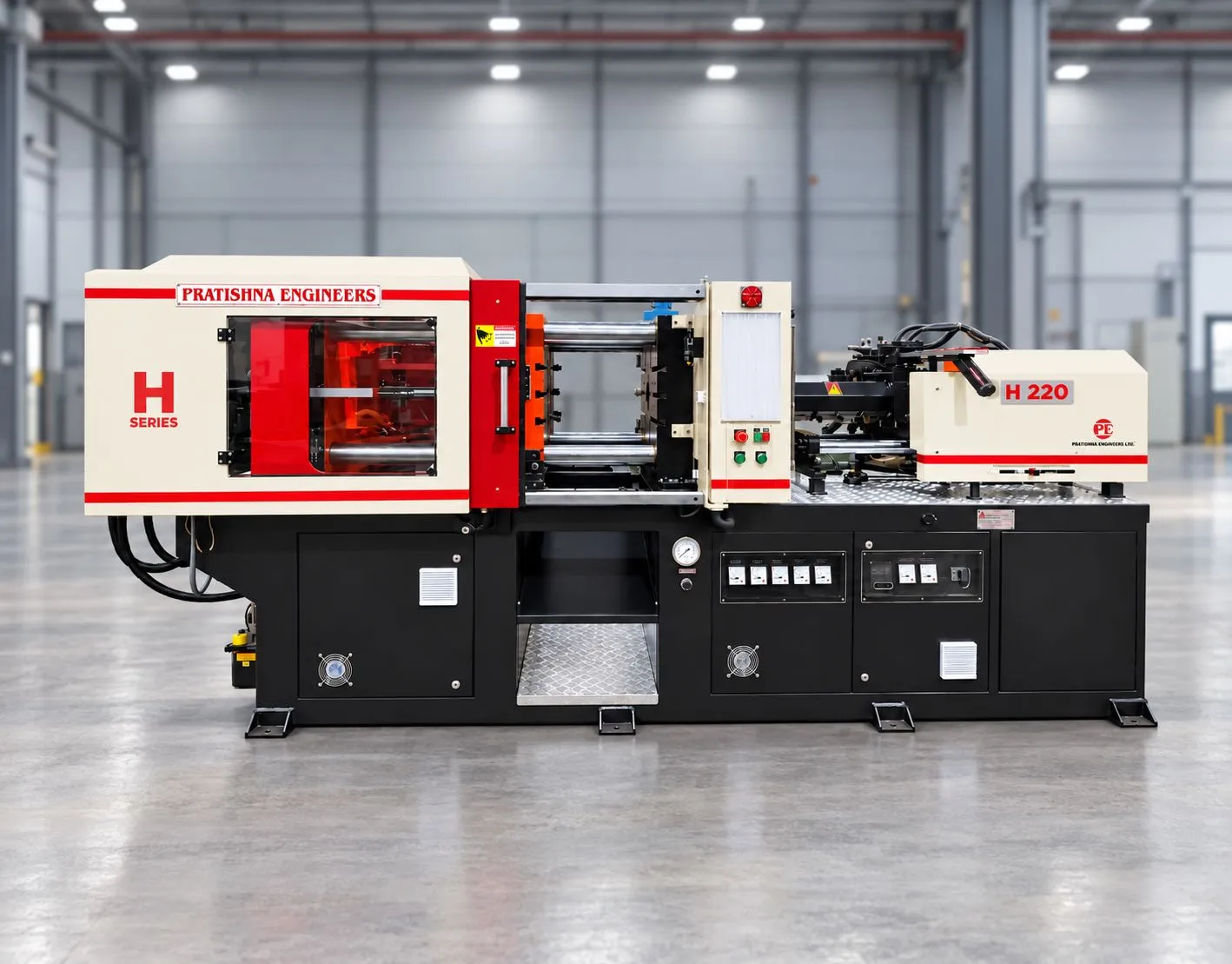
Drone frames, arms, propellers, battery cowlings and battery pack housings are small to medium parts suited to the E Series (75-180 T). Rugged field equipment enclosures and larger battery housings may need the H Series. Connector backshells and inserts moulded around metal contacts or threaded shells suit the Vertical machines, and gimbal housings with two-shot TPU dampers are evaluated for a Special Purpose machine. The right machine depends on projected area, cavities, material and output.
Not Sure Which Machine You Need?
Share your defence component and production target for a suitable recommendation.
Why Choose Pratishna Engineers?
- Application-Based Machine Selection
- In-House Engineering & Manufacturing
- Multiple Machine Series
- Production-Focused Solutions
- End-to-End Technical Support
- Industry-Specific Solutions
- Machine Lifecycle Support
Injection Moulding Machine Buyer Resources
Download practical resources to help you select, size and specify the right machine.
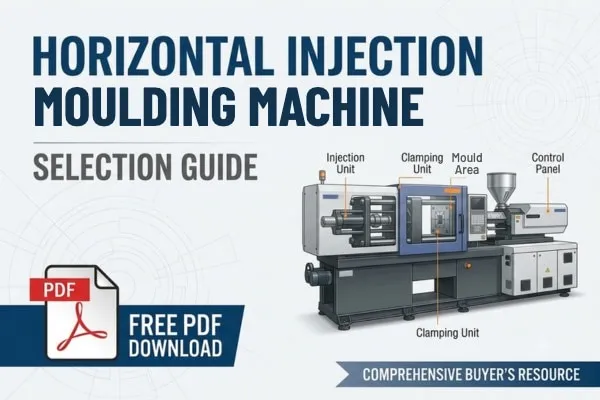
Injection Moulding Machine Selection Guide
A step-by-step guide covering the key inputs needed to select the right machine: product weight, projected area, number of cavities, plastic material, required clamping force, shot / injection capacity, mould dimensions, production quantity, cycle time and automation requirement.
Download PDFPDF · 265 KB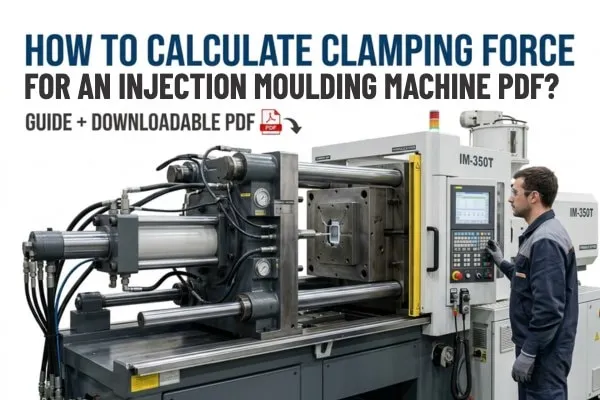
Clamping Force & Shot-Size Calculation Guide
A clear method for calculating the clamping force and shot size your part needs, covering projected area, injection pressure, safety factor, number of cavities, part and runner weight, and material.
Download PDFPDF · 363 KBPlastic Material Selection Guide
A reference for PP, PE, HDPE, ABS, PS, nylon, PC and POM, covering their properties, typical applications and screw, barrel and temperature notes for moulding.
Download PDFPDF · 163 KBDefence Sector Components & Machine Guide
A guide to the 7 Defence Sector components on this page, with typical materials, part weight and cavity notes, recommended Pratishna machines and tonnage guidance for each part.
Download PDFPDF · 207 KB
FAQs / Buyer Questions
The answers our engineers give most often about moulding defence and drone components.
Which Injection Moulding Machine Is Used for Drone Frames and Arms?
Drone frames, arms, motor mounts and landing gear are small to medium parts in glass or carbon-filled nylon. A machine is selected by projected area, cavities, shot weight and material, and is usually in the E Series range. Gate position at arm roots and motor-mount bosses affects crash strength, so it is decided with the mould design.Can Pratishna Machines Produce Drone Propellers?
Yes. Propellers and propeller guards in PA6-GF30, PA66-GF or PC can be produced with the right clamping force, injection unit and mould configuration. Blades must be balanced and made in matched pairs, so flash-free edges and consistent fibre orientation are essential.What Plastic Materials Are Used for Defence and Drone Parts?
Common materials include glass and carbon-filled PA6 and PA66 for structural parts, PC and PC/ABS for housings, UV-stabilised ABS or ASA for outdoor covers, FR PC/ABS and FR PP for battery housings, TPU for dampers, and PPS or PEI for high-temperature connector parts.Which Tonnage Is Suitable for Rugged Field Equipment Enclosures?
It depends on enclosure size, wall thickness and projected area. Smaller radio and sensor boxes may suit the upper E Series range, while larger enclosures usually need H Series machines. Sealing groove flatness decides the IP rating, so warp control is part of the machine and process choice.
Can These Machines Produce Connector Backshells and Cable Glands?
Yes. Backshells, inserts and cable glands moulded around metal contacts or threaded shells suit Vertical machines, where inserts stay located by gravity. Plain glands and inserts without metal parts can run on horizontal machines.Can Pratishna Machines Process Glass and Carbon-Filled Grades?
Yes. Fibre-filled nylon, PC and PBT need a wear-resistant screw and barrel, dried material and stable melt temperature. For defence supply, the qualified resin, machine settings and process should be frozen and documented, since any change may need re-qualification.Which Pratishna Series Suits Defence Applications?
The E Series (75-180 T) suits most drone and small defence parts, while the H Series covers larger enclosures. Vertical machines suit insert-moulded connector parts, and two-shot parts are evaluated for a Special Purpose machine.How Do I Get a Machine Recommendation for My Defence Component?
Share your product, material, part weight, mould dimensions, cavities, production quantity and cycle time, and Pratishna Engineers will recommend a suitable machine and quotation.
Talk to Our Engineers
Planning a New Injection Moulding Project?
Share your component, material, mould and production target. Our engineering team will help you identify the right machine configuration.
- Machine Sales
- +91 99690 38542
- Service Support
- +91 97689 28259
- Sales Email
- enquiry@pratishnaengineers.com